Rome’s Best Boss
Two thousand years before the term “servant leadership” existed, Marcus Aurelius quietly proved it works.
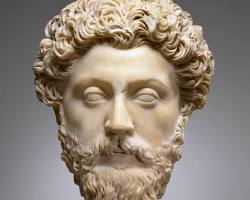
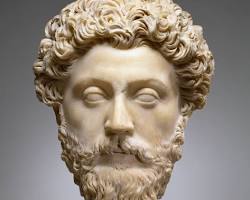
The last great emperor of Rome was great because he saw himself not as master, but as servant.
A Reluctant Ruler
The year is 161 A.D. The Roman Empire is a storm of wars, rebellions, and plague.
When Emperor Antoninus Pius dies, his successor—Marcus Aurelius—doesn’t seize the throne; he resists it.
He accepts only on one condition: his brother Lucius Verus will rule beside him.
It’s a decision unheard of in imperial Rome—a deliberate act of shared power.
Marcus knew his own limits. The philosopher would govern; the soldier would fight.
That’s not weakness. That’s design.
“It is juster that I should yield to the counsel of such friends than that they should yield to my wishes, who am but one.”
The Humble Emperor
Forget the gilded palaces and marble robes.
Marcus Aurelius lived simply, visited old teachers, and dressed like a common citizen.
He ruled not from the throne but from the Senate floor—listening, questioning, and seeking counsel.
Where other emperors demanded worship, Marcus cultivated humility and dialogue—what modern leadership theory calls authenticity and interpersonal acceptance.
He pardoned enemies, softened justice, and turned gladiatorial combat into sport rather than slaughter.
He believed that ruling was not ownership, but stewardship.
Leadership in the Plague
Then came the Antonine Plague—Rome’s first pandemic.
As nobles fled, Marcus stayed. He attended funerals, instituted lockdowns, and sold palace treasures to refill an empty treasury.
He refused to burden citizens with new taxes; instead, he auctioned his own silver and furnishings.
When the legions were decimated, he broke tradition, recruiting freedmen and gladiators.
When farms were abandoned, he welcomed migrants to rebuild them.
He didn’t protect privilege—he protected people.
“A disease can only threaten your life,” he wrote in Meditations,
“but selfishness and pride threaten your humanity.”
The Servant-Leader Before His Time
Centuries later, scholars would call this Servant Leadership—the idea that a leader’s first duty is to serve.
According to leadership researcher Larry Spears, the hallmarks of this approach are humility, empowerment, authenticity, acceptance, stewardship, and direction.
Marcus Aurelius embodied them all.
He listened deeply.
He empowered capable others.
He acted with restraint and moral clarity when fear ruled the world.
His style stood in stark contrast to the empire he inherited—a world obsessed with hierarchy, fear, and control.
From Rome to the Modern Boardroom
Every generation faces its own plague—pandemics, crises, or corporate volatility.
Marcus’s philosophy offers the same prescription now as it did then:
leadership is not about power over, but care for.
The Enduring Lesson
Marcus Aurelius ruled for nineteen turbulent years and never lost himself to the throne.
He closed the last great chapter of Rome’s peace not with conquest, but with conscience.
His life remains a quiet rebuttal to the myth of the heroic leader.
He didn’t dominate; he stabilised.
He didn’t command loyalty; he inspired it.
He proved that even in crisis, leadership is service—and service is strength.
@ Hello@humanlearningatwork.com