The Last Embrace
Some stories outlive their tragedy. Beneath the ash of Pompeii, archaeologists didn’t just find the outlines of a lost city — they found traces of touch.
The Day the World Turned to Stone
When archaeologists uncovered Pompeii, they didn’t just find a lost city — they found a story about being human.
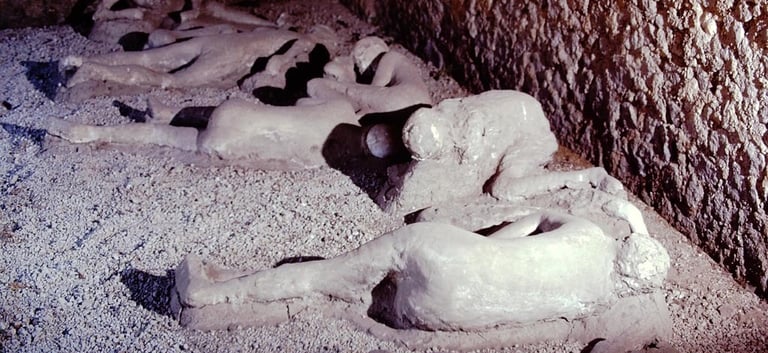
Giuseppe Fiorelli, the 19th-century archaeologist who pioneered the plaster-casting method, revealed figures caught in motion — some crouched, some reaching out, some holding on.
These were not scenes of strategy or survival. They were gestures of connection. Even as ash consumed the city, people turned toward one another.
At HUMAN, this story isn’t simply history — it’s a reminder of instinct.
When things get hard, humans don’t seek isolation. They seek each other.
“Connection isn’t comfort — it’s the condition for growth.”
Connection as the Oldest Reflex
For decades, the figures of Pompeii were assumed to be families — parents clutching children, lovers entwined.
But DNA analysis revealed something deeper: two of the most famous casts, long called The Two Maidens, were not related. Two men, caught in the same instant, reaching for one another.
That finding reframes the entire scene. Connection is not sentimental — it’s biological.
When everything collapses, we reach out — not to plan, but to belong.
That same reflex fuels modern learning and leadership: the instinct to steady ourselves through others, to make sense together when certainty dissolves.
Why Fear Shuts Down Learning
Neuroscience echoes Pompeii’s truth.
When people feel unsafe — judged, excluded, or under pressure — the brain’s alarm system takes over.
In that moment, fear hijacks learning.
That’s why HUMAN’s work begins with psychological safety — not as a soft value, but a biological necessity.
When people feel safe enough to ask, challenge, and fail, the brain reopens its learning circuitry.
Curiosity returns. Creativity reappears.
“Safety doesn’t make people soft. It makes their minds available.”
The Modern Volcano
Today’s eruptions look quieter:
A meeting where no one speaks up.
A leader afraid to admit uncertainty.
A team paralysed by the fear of being wrong.
These are our modern pyroclastic flows — invisible, yet powerful enough to silence learning.
That’s why HUMAN’s practice centres on three connected pathways:
Leadership Lens – exploring awareness as the foundation of leadership, where curiosity replaces control.
Journey to Team – understanding connection as the catalyst for courage and collective learning.
Inside Edge – developing the inner agility to stay present and human, even when the pressure rises.
Learning Is Always Relational
Every meaningful learning experience begins not with content, but with connection.
When people feel seen and heard, their nervous systems relax — and their minds open.
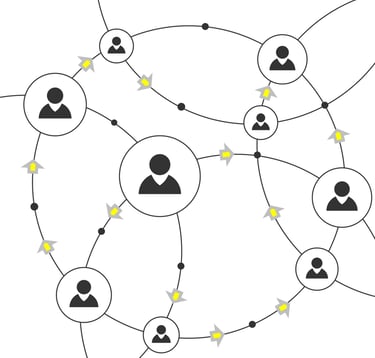
Connection turns fear into focus, information into insight, and groups into teams.
Buried Truths, Living Lessons
The people of Pompeii didn’t reach for escape. They reached for each other.
Their story still breathes beneath the ash — a reminder that connection isn’t a luxury of calm times, but a reflex in crisis.
In every HUMAN learning journey — whether through Leadership Lens, Journey to Team, or Inside Edge — that instinct lives on.
Because when people feel safe enough to learn, they don’t just adapt — they evolve.
The world may turn to stone, but connection endures.
That’s where HUMAN learning begins.
The Last Embrace: What Pompeii Teaches Us About Human Connection and Learning
@ Hello@humanlearningatwork.com