The Queue Paradox
In a world built to eliminate waiting, a curious new ritual is emerging: people are lining up — for hours — by choice.


When the world promises us instant everything, standing still has become an act of quiet rebellion.
The Dawn Queue
It’s 5:00 AM in London. The street is hushed except for the soft shuffle of trainers and the hiss of takeaway coffee cups.
People stretch, chat, share biscuits. There’s laughter, even anticipation.
They aren’t here because the product is scarce. It’s not.
They’ve come for something rarer — each other.
A recent BBC News story captured it perfectly: people queuing for twelve hours by choice, calling it “the cool thing to do.”
Not for efficiency, not for exclusivity — but for connection.
The New Connection Hack
For decades, technology has promised to erase friction.
We skip queues, pre-order meals, stream lives at speed.
And yet, here we are — deliberately putting friction back in.
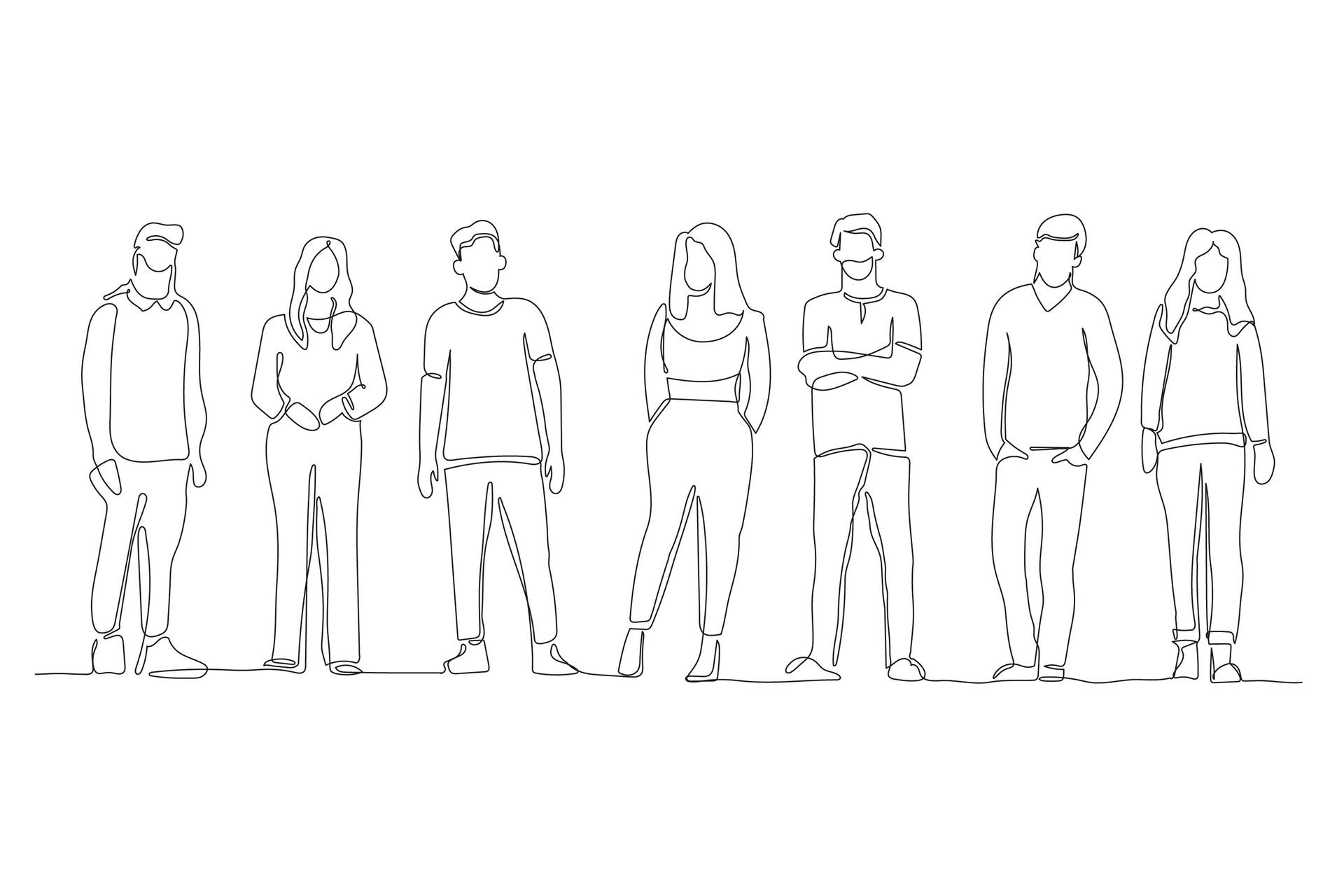
In these voluntary queues, strangers talk.
They swap stories, share snacks, build temporary tribes.
They describe camaraderie — the kind that comes from shared discomfort and collective patience.
For a few hours, the digital blur slows.
People rediscover the rhythm of conversation, the tiny social risks that remind us we belong.
“They’re not queueing for a thing. They’re queueing for each other.”
The Science of Standing Together
Anthropologists might not be surprised.
Our large brains didn’t evolve for gadgets or algorithms — they evolved for relationships.
Studies by Robin Dunbar, Sarah Hrdy, and Michael Tomasello show that cooperation and shared learning were our original survival tools.
Even our nervous systems reward it: according to Stephen Porges’ Polyvagal Theory, standing side by side in safety regulates stress and opens space for creativity and trust.
The same chemistry that calmed early hunter-gatherers around a fire is at play in the early-morning queue outside a London store.
Different century, same instinct.
Waiting as the New Connection Ritual
The queue has quietly reinvented itself.
Once a symbol of collective frustration, it’s become an unlikely hub of community — a social pause in a sped-up world.
It reminds us that efficiency can’t replace camaraderie, and that friction, far from being an inconvenience, may be the price of belonging.
These temporary micro-communities are improvised lessons in empathy and patience — the very conditions that make learning and leadership possible.
The queue, it seems, has something to teach us about teams.
From the Queue to the Conversation
In the work that we do at HUMAN learning at work — whether exploring leadership, teamwork, or individual growth — the same pattern emerges.
When friction appears, when things slow down or feel uncertain, people often think progress has stalled.
But more often, it’s the beginning of connection.
Waiting together — literally or metaphorically — gives people time to see, listen, and understand.
It’s in those pauses that trust builds, reflection deepens, and collective learning takes shape.
“Connection doesn’t always happen at speed. Sometimes, it happens in the queue.”
The Quiet Rebellion
So, the next time we find ourselves waiting — for feedback, for clarity, for change — maybe it’s worth looking around instead of looking down.
The queue isn’t a delay; it’s a mirror.
It shows us what we’ve been wired to do all along:
to wait together, to learn together, to lead together.
And in that simple act of standing side by side, we rediscover the thing technology still can’t code —
being human.
Why We’re Choosing to Wait in an Age That Won’t.
Why is the one thing we’ve tried hardest to eliminate, waiting, suddenly the hottest ticket in town?
It seems absurd. Technology promises to erase friction, giving us one-click checkouts and virtual bookings to banish the queue forever. Yet, as a recent BBC News story highlighted, people are willingly showing up at 5:00 AM to stand in line for 12 hours. They aren't doing it for efficiency; they're doing it for the queue itself. This striking paradox points to a profound, unfulfilled societal yearning for authentic human interaction.
Let's Connect
@ Hello@humanlearningatwork.com